


By Milan Chatterjee | Founding Attorney, Milan Legal |
Finding mold in a home does not automatically create a legal claim, but it can become a legal issue depending on the circumstances. Mold may affect home sales, property disclosures, landlord-tenant relationships, insurance claims, construction defects, and homeowner disputes. Understanding when mold becomes more than a maintenance problem can help property owners, buyers, and tenants make informed decisions before the situation becomes more serious.
Mold in Your Home: When Does It Become a Legal Issue?
Discovering mold inside a home can be stressful for any property owner. Sometimes mold is a minor maintenance issue that can be addressed quickly. In other situations, however, mold may indicate larger concerns involving water intrusion, construction defects, property disclosures, or ongoing maintenance problems.
For homeowners, buyers, sellers, landlords, and tenants, the presence of mold often raises important questions. Who is responsible for fixing the problem? Should mold have been disclosed before the property was sold? Could hidden moisture indicate a larger structural issue? Understanding when mold moves beyond a repair issue and becomes a legal concern is an important part of protecting your property and your investment.
Across Las Vegas, Reno, and other Nevada communities, mold can develop in both older and newer homes. While every situation is different, understanding the legal considerations surrounding mold can help property owners recognize when professional advice may be appropriate.
What Causes Mold in Residential Properties?
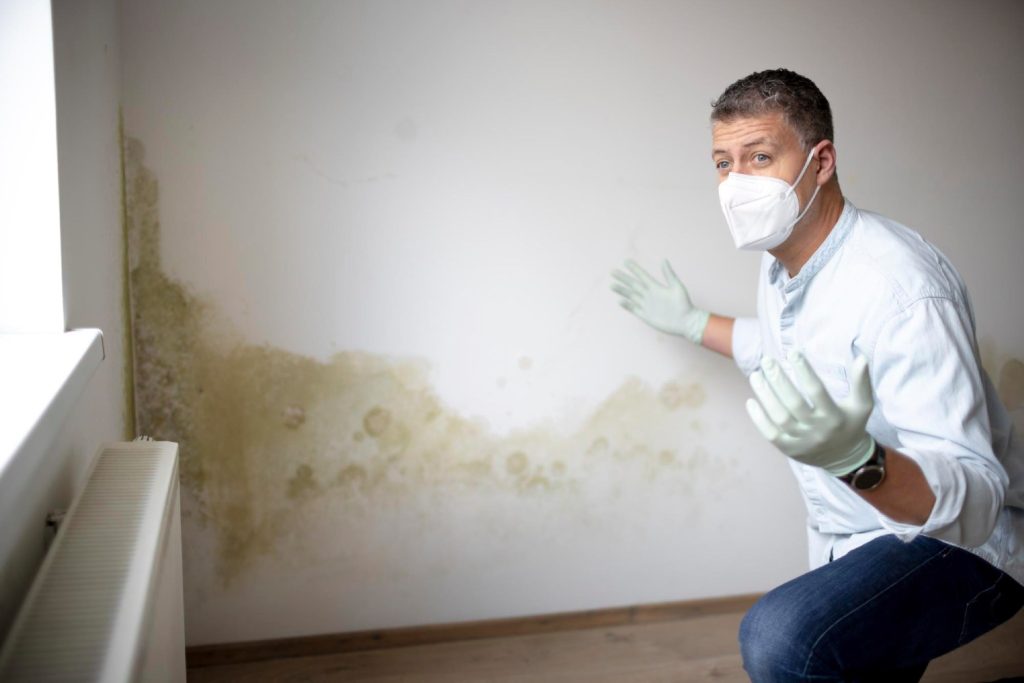
Mold usually develops where moisture remains present for an extended period. Roof leaks, plumbing failures, poor ventilation, flooding, condensation, and water intrusion are among the most common causes. Once moisture is trapped inside walls, flooring, ceilings, or other building materials, mold can begin growing if the conditions remain untreated.
Not every mold issue indicates negligence or a legal dispute. Some situations result from unexpected maintenance problems that are discovered and repaired promptly. Others may involve larger concerns that existed before a property was purchased or that continued without appropriate repairs.
Because mold is often the result of another underlying issue, identifying the source of the moisture is typically just as important as removing the visible mold itself.
Questions About a Nevada Real Estate Matter?
Whether you’re buying, selling, or already own property, understanding your legal rights can help you make informed decisions when unexpected property issues arise.
Contact Milan Legal today to schedule a consultation and discuss your Nevada real estate legal questions with an experienced attorney.
When Can Mold Become a Legal Issue?
Mold generally becomes a legal issue when questions arise about responsibility, disclosure, or property conditions. For example, a homebuyer may discover significant mold shortly after closing and wonder whether the condition should have been disclosed during the sale. A tenant may believe persistent moisture problems are affecting the habitability of a rental property. A homeowner may also discover that water intrusion resulted from defective construction or poor workmanship.
Although every situation is unique, legal questions often arise when there is uncertainty about who knew about the problem, whether reasonable steps were taken to address it, or whether someone failed to disclose important information before a transaction occurred.
Simply finding mold does not automatically mean someone is legally responsible. The surrounding facts, property history, contractual obligations, and applicable law all play an important role in determining how a particular situation should be evaluated.
Why Early Action Matters
Ignoring mold rarely makes the situation better. What begins as a small moisture issue can gradually affect drywall, flooring, insulation, wood framing, and other building materials if the underlying source is not corrected.
Early action may also help preserve important information. Inspection reports, photographs, repair invoices, contractor communications, and disclosure documents can become valuable if questions later arise about when the problem developed or how it was addressed.
Whether you own, purchase, or occupy a property, addressing mold concerns promptly can often reduce both repair costs and the likelihood of future legal complications.
Mold During a Home Purchase
Buying a home is a significant investment, and most buyers expect the property to be in the condition represented during the transaction. Discovering mold after closing can lead to questions about when the problem developed, whether it was visible during inspections, and whether additional investigation should have been conducted before the sale was completed.
This does not necessarily mean someone acted improperly. Mold can develop quickly under the right conditions, and some moisture issues may not become apparent until after a buyer has taken possession of the property. However, if concerns arise after closing, understanding the property’s history and reviewing the available documentation can help clarify how the issue developed.
For this reason, buyers should carefully review inspection reports, seller disclosures, repair records, and any other documents provided during the transaction. Taking time to understand the property’s condition before purchasing can often reduce the likelihood of unexpected surprises later.

Mold in Rental Properties
Mold concerns are not limited to homeowners. Tenants may also encounter moisture problems or mold growth during a lease, particularly when water leaks or ventilation issues remain unresolved.
In many situations, resolving the underlying moisture problem is the first priority. Clear communication between landlords and tenants, prompt reporting of maintenance concerns, and proper documentation may help prevent minor issues from becoming more significant.
When questions arise regarding repair responsibilities or property conditions, understanding the terms of the lease agreement and the circumstances surrounding the mold problem can help both parties determine the most appropriate next steps.
When Should You Speak With a Real Estate Attorney?
Not every mold problem requires legal assistance. Many situations can be resolved through timely repairs, property maintenance, or communication between the parties involved.
However, legal guidance may become appropriate when mold is connected to broader real estate concerns, such as questions about property disclosures, unresolved water intrusion, construction defects, contractual obligations, or disagreements that cannot be resolved through ordinary communication.
Speaking with a real estate attorney does not necessarily mean litigation is the next step. In many cases, obtaining legal advice early simply helps homeowners, buyers, or property owners better understand their rights and available options before making important decisions.
Learn More About Nevada Real Estate Law
This article provides a general overview of when mold may become a legal issue. If you’re looking for detailed information about seller disclosures, hidden property defects, home inspections, real estate contracts, or disputes involving residential property, visit My Real Estate Lawyer, Milan Chatterjee’s dedicated real estate law resource.
You’ll find in-depth educational articles covering Nevada real estate transactions, buyer and seller rights, disclosure obligations, and property-related legal issues.
Milan Legal Perspective
At Milan Legal, we understand that real estate issues often involve more than the physical condition of a property. Questions surrounding mold frequently lead to broader concerns about disclosures, inspections, contractual obligations, and property ownership responsibilities.
Attorney Milan Chatterjee advises homeowners, buyers, sellers, and property owners throughout Las Vegas, Reno, and across Nevada on a wide range of real estate matters. Understanding your legal rights early can help you make informed decisions while protecting your investment.
Explore More Nevada Real Estate Resources
This article provides a general overview of when mold may become a legal issue. If you’re looking for more detailed information about property disclosures, hidden defects, home inspections, construction issues, or other real estate concerns, explore our dedicated real estate resource.
At My Real Estate Lawyer, you’ll find in-depth educational guides covering residential and commercial real estate transactions, buyer and seller rights, property disputes, disclosure obligations, and other topics designed to help Nevada property owners make informed legal decisions.
Frequently Asked Questions
No. Many mold problems are simply maintenance issues that can be resolved through repairs and moisture control. Legal questions generally arise when there are disputes about responsibility, property disclosures, contractual obligations, or other real estate-related concerns.
Yes. Mold may influence a buyer’s decision, lead to additional inspections, or result in questions about the property’s condition during the transaction. Every situation depends on its specific facts.
A professional inspection can help determine the extent of the problem and identify the source of the moisture. Understanding the underlying cause is often an important step before deciding how to address the issue.
Not necessarily. Many mold concerns are resolved through repairs or maintenance. However, legal guidance may be helpful if the issue involves disclosures, contracts, property damage, or other legal questions.
Yes. Some mold problems become visible only after a buyer takes possession of the property, particularly if hidden moisture conditions were not apparent during the purchase process.
Inspection reports, photographs, repair estimates, contractor invoices, disclosure documents, and communications regarding the property can all be useful in understanding how the issue developed.
For more detailed educational resources covering buyer rights, seller disclosures, property defects, inspections, and real estate disputes, visit My Real Estate Lawyer, Milan Chatterjee’s dedicated real estate law resource.
Questions About a Nevada Real Estate Matter?
Whether you’re buying, selling, or already own property, understanding your legal rights can help you make informed decisions when unexpected property issues arise.
Contact Milan Legal today to schedule a consultation and discuss your Nevada real estate legal questions with an experienced attorney.
Conclusion
Mold is often viewed as a maintenance issue, but in certain situations it can raise broader legal questions involving property ownership, disclosures, inspections, rental obligations, or construction concerns. Understanding the circumstances surrounding a mold problem is often just as important as identifying the mold itself.
Whether you own a home, are preparing to purchase property, or have recently discovered mold after a real estate transaction, taking prompt action and understanding your legal rights can help you make informed decisions while protecting your investment.
